
A personal library of AI prompts: keep what has already worked
A good prompt is easy to lose in chat history. Save it together with the task, the conditions and an example of a good result.
Read storyThe model states numbers and sources with total confidence, even when neither exists. Three places where a mistake costs the most.
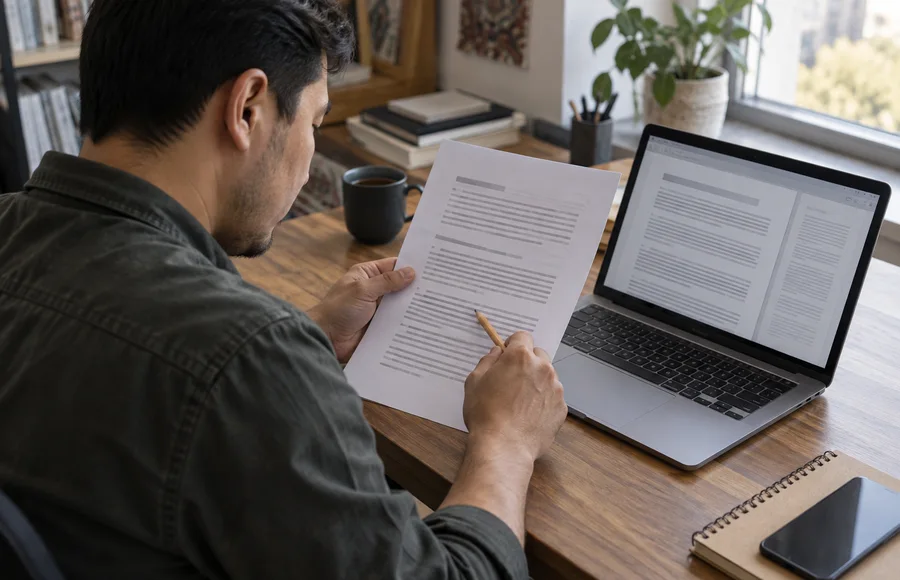
The answer sounded convincing: an exact figure, a link to a study, a ready quote for the client. The email went out, and a day later it turned out no study with that title existed. A confident tone has nothing to do with accuracy — treating them as the same thing gets expensive.
Any number, date or source cited by a model needs its own check: not "sounds plausible", but actually finding the original and comparing it. If the source doesn't turn up within a couple of minutes of searching, treat it as invented until proven otherwise. Direct quotes deserve the same treatment — a model can attribute words to a real person who never said them.
A model states a verified fact and a complete invention with the same confidence. What should raise a flag isn't hesitation, but a complex topic delivered too smoothly, without a single caveat. Ask the model to separately list what it did not verify and where it is uncertain — the list is usually shorter than expected, but it shows you where to look closer.
If a task repeats — a weekly summary, answers to common questions — keep a short list: which fields always get checked by hand, and which can be trusted without a re-check. Update the list after every mistake you find, instead of inventing the check from scratch each time.
Final responsibility for the facts sits with whoever publishes the text, not with the tool that drafted it.
Continue the topic and work through the next step.
A good prompt is easy to lose in chat history. Save it together with the task, the conditions and an example of a good result.
Read story
Check facts and meaning first, then structure and language. This order reduces repeated revisions.
Read story
Separate discussion, confirmed decisions and open questions, or the notes will not help your team act.
Read story