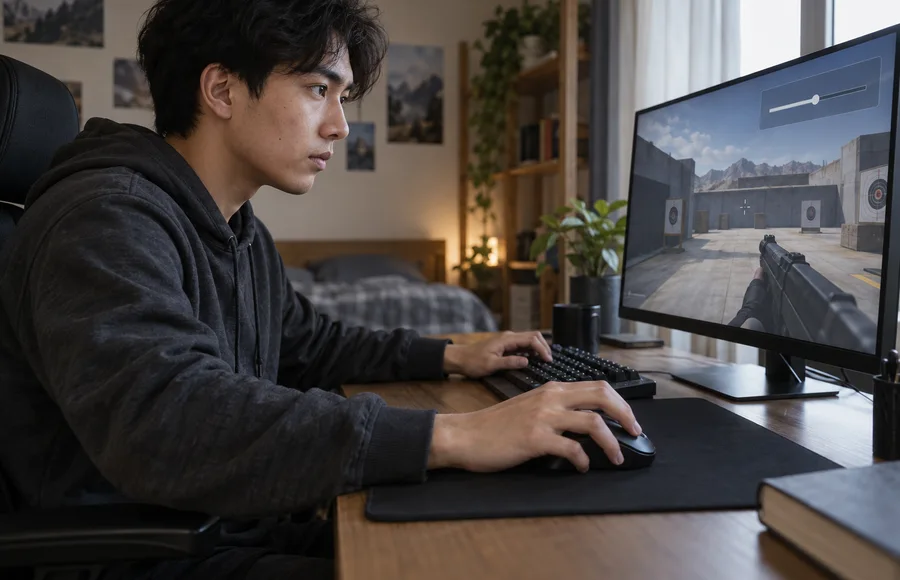
Mouse sensitivity in shooters: pick it once and stop touching it
Measure cm/360° instead of the in-game percentage — it's the one number that carries over between games and screen setups.
Read storyHearing which direction footsteps come from decides more in a match than a loud explosion. Test headsets against that, not bass.
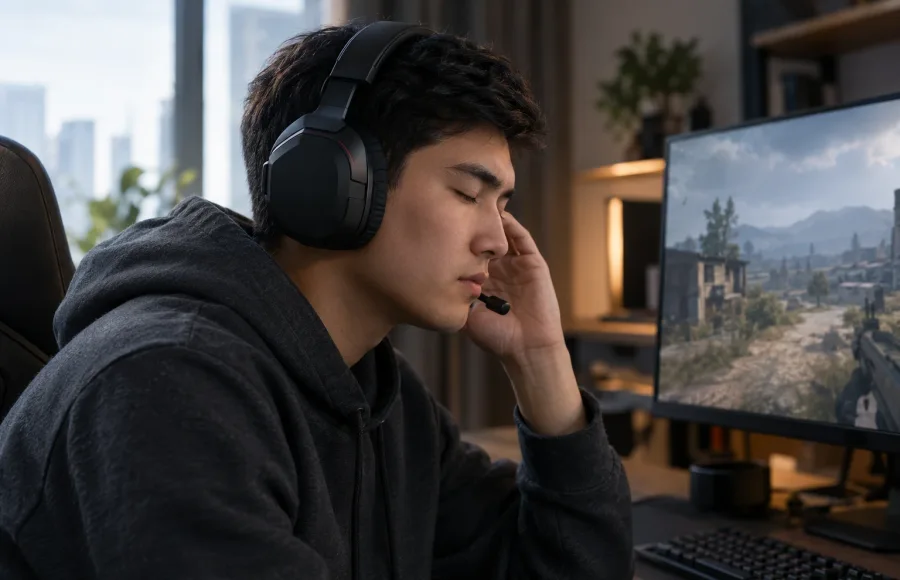
After buying a new headset with punchy bass, sound seems to have improved — explosions and gunshots hit hard. But in the decisive moment, it's impossible to tell which side an opponent is approaching from, even though the old headset made that easy.
Loud, rich sound doesn't mean accurate sound. For team games where footstep or gunshot audio matters, the key quality is telling direction and distance apart. Test a headset in a practice mode with your eyes closed: can you point to where a sound is coming from by ear alone.
Features like "virtual 7.1" don't always give a more precise picture — sometimes they blur direction in exchange for a sense of envelopment. Compare a headset in the same game with the feature on and off, rather than trusting the name in the spec sheet.
Even with good drivers, a loose fit on your head shifts how you perceive sound direction, especially in shooters with quick turns. Before deciding, wear the headset for at least half an hour in a real match, not just in a quiet room while unboxing it — shifting during head movement affects the result faster than anything in the spec sheet.
Continue the topic and work through the next step.
Measure cm/360° instead of the in-game percentage — it's the one number that carries over between games and screen setups.
Read story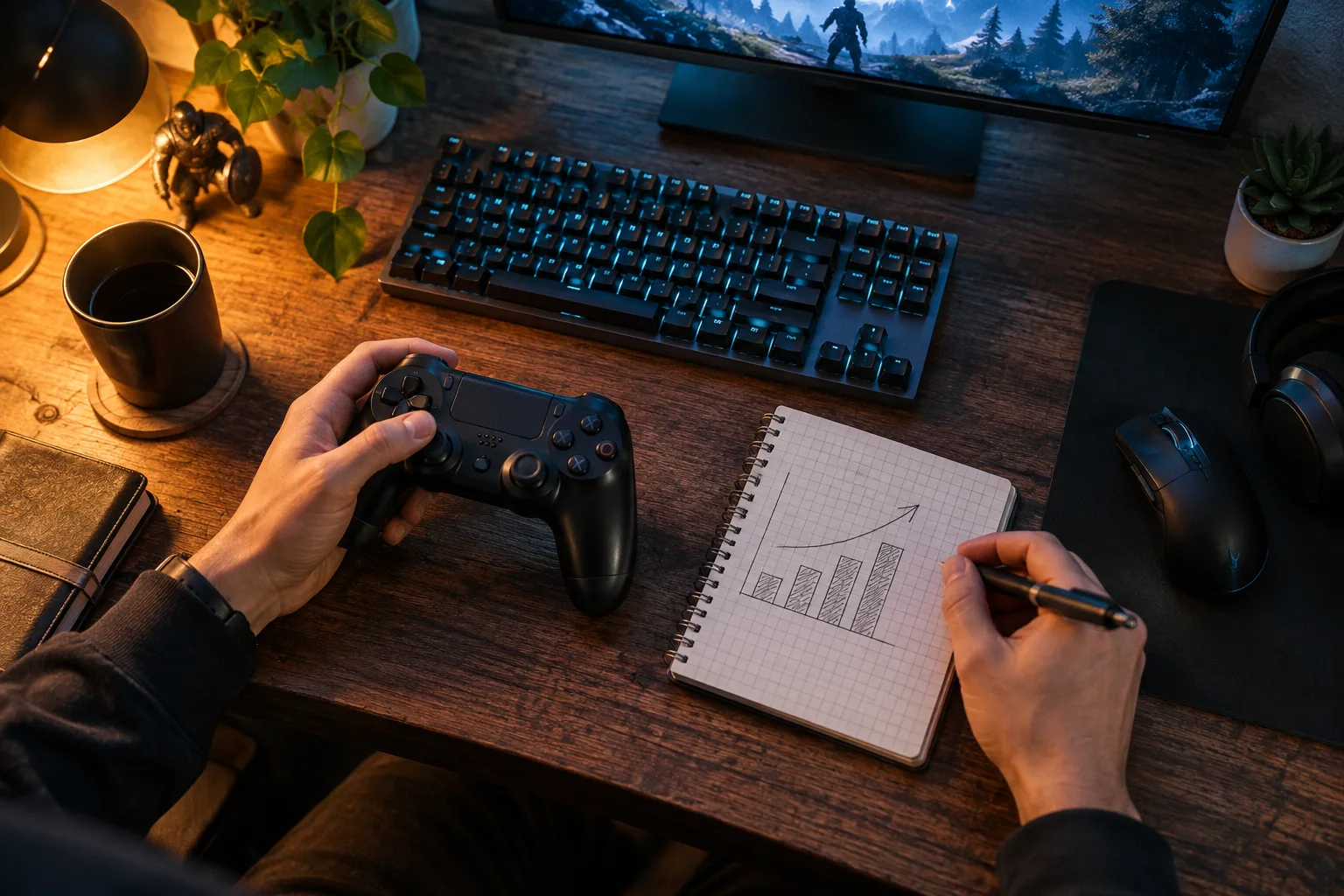
Choose a repeatable sequence and record not only FPS but also noticeable delays and image quality.
Read story
Compare the same scenes, watch for frame-time spikes and change one setting at a time instead of chasing a single average.
Read story